Nils Carter · 31 August 2026
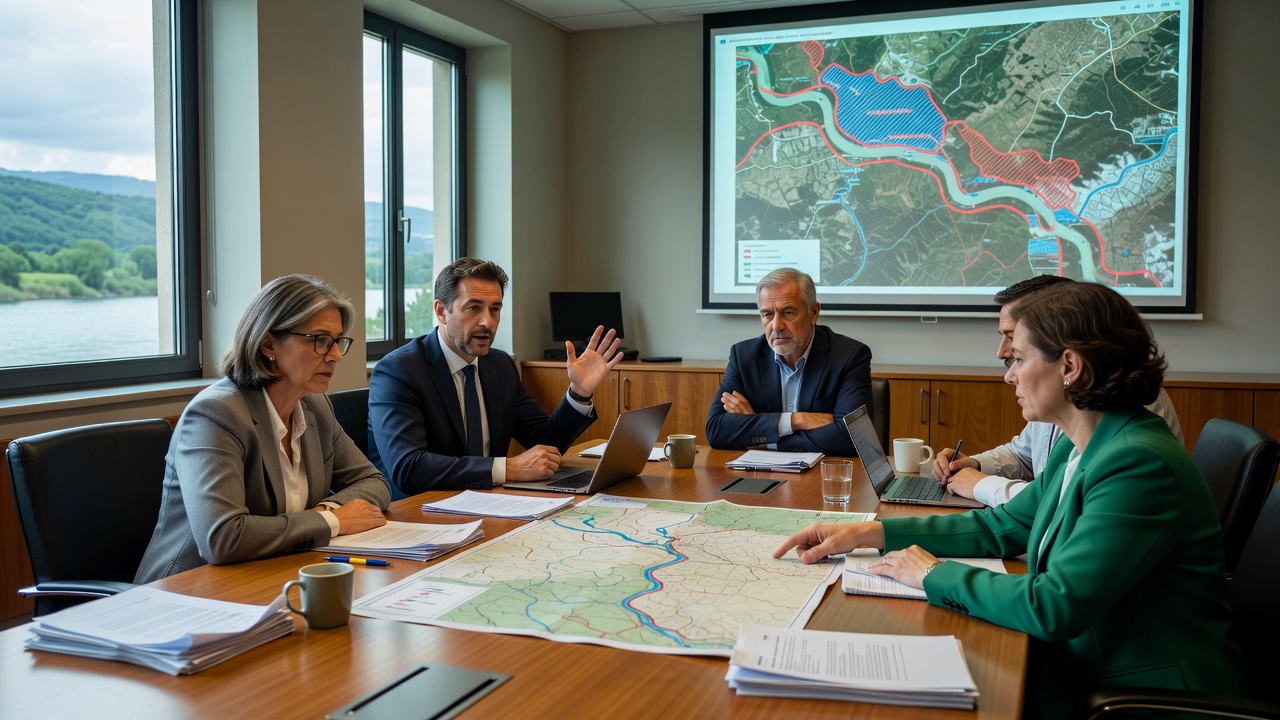
The Velino Regional Council convened on Tuesday afternoon for a detailed debate on the proposed management plan for the Velino River. The session focused on balancing flood control measures with environmental protection and economic considerations for the surrounding areas. Attendees included regional officials, environmental scientists, and representatives from affected municipalities. The river, which spans several municipalities, has been subject to increasing pressures from development and seasonal flooding events in recent years. Historical records show major floods occurring every decade, causing significant damage to infrastructure and agriculture.
Key Points of Discussion
During the meeting, the council reviewed several components of the plan, including the construction of new retention basins and the restoration of riparian zones. Proponents argued that these initiatives would reduce flood risks by up to thirty percent based on modeling studies. Critics, however, raised questions about the cost-effectiveness and potential effects on local farming operations that rely on river access. Data from recent assessments indicated declining water quality due to urban runoff, prompting calls for stricter pollution controls. The debate highlighted the need for integrated approaches that consider both human and ecological needs along the river basin. Additional topics included funding sources, with suggestions for public-private partnerships and grants from national environmental programs. Councilors discussed timelines for implementation, noting that preliminary works could begin within eighteen months if the plan receives approval. Community leaders presented petitions from residents concerned about property values and safety during construction phases. Experts from the regional environmental agency provided presentations on biodiversity impacts, recommending specific species protection measures as part of the overall strategy.
Potential Outcomes and Next Steps
Looking ahead, the council is expected to vote on the plan in the coming weeks following further reviews by technical committees. Approval would mark a major step toward sustainable river management in the region, potentially serving as a model for other waterways. Environmental groups have expressed cautious optimism, stressing the importance of monitoring programs to track progress. Meanwhile, agricultural associations continue to lobby for provisions that protect irrigation rights. The debate underscores ongoing challenges in managing natural resources amid growing population pressures and climate variability. Public hearings are planned to ensure broad stakeholder engagement before final decisions are made. Further studies on economic impacts are also underway to inform the final version of the plan.